Videos, writing, tools, and open-source. Proof of work, not content marketing.
Claude Code overlooks things. Codex over-engineers. They fail in opposite directions, which is exactly why running both beats picking one.
Fork agents give Claude Code subagents the full session context and the ability to act. The /fork pattern we use to keep the main window lean.
The IPO needs growth, loops maximize burn, metered credits monetize it, and you pay the bill. Why one ticket at a time ships more than fifty agents.
Live Artifacts pull from Linear, Slack and Gmail and update themselves. What they replace, how to build one, and why Scheduled Tasks still win for acting.
The leaked source says it plainly: go straight to the point, simplest approach first. Why your CLAUDE.md can't out-shout the harness, and what works instead.
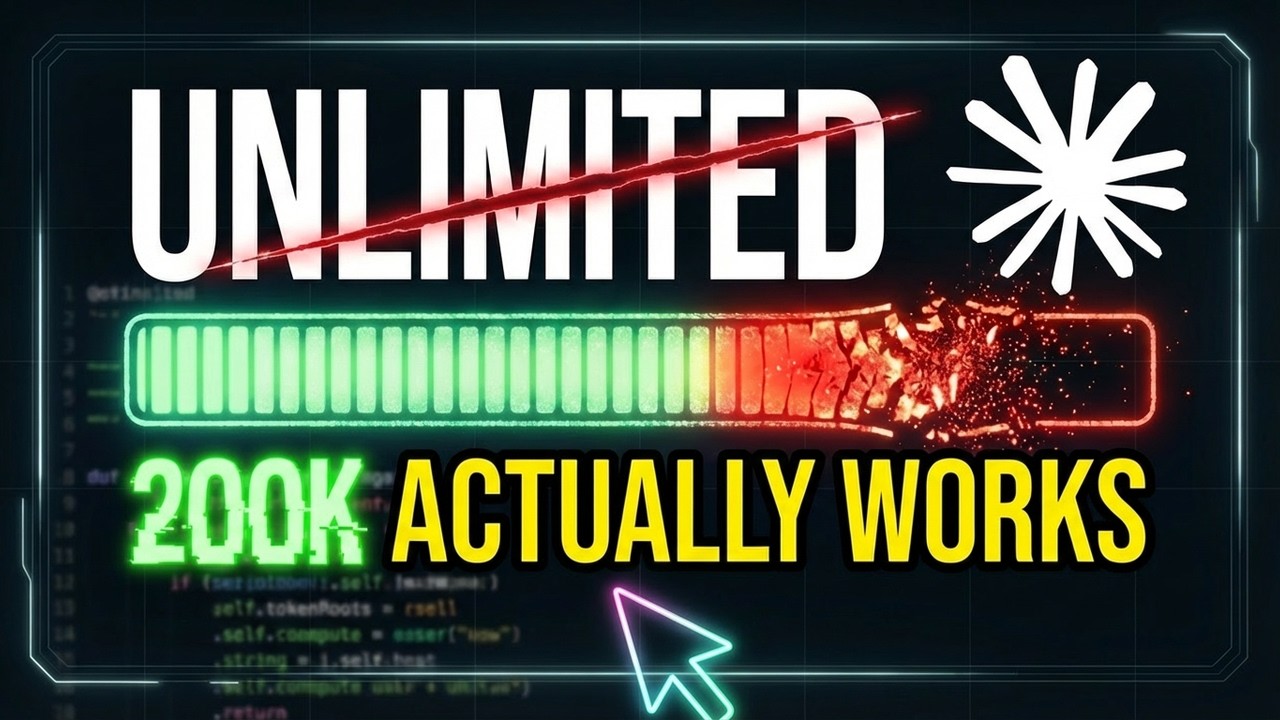
93% accuracy at 256K drops to 76% at 1M. The data behind the trap, the cold-cache budget burn, and the four cases where the big window earns its keep.
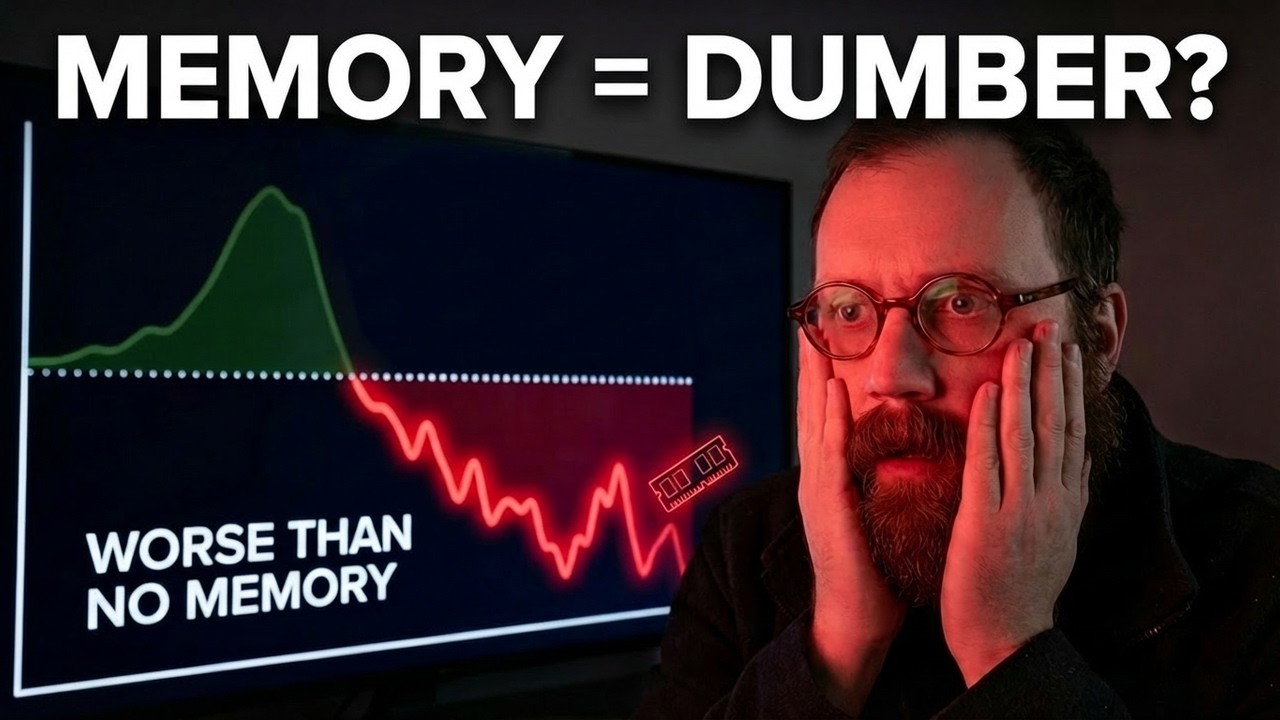
Generic memory peaks, then decays your agent below the no-memory baseline. The intent-based alternative: store only what matters, inject only when needed.
The MCP-is-dead take and the CLI-is-obsolete take are both wrong. The real framework: who your users are, who controls the API, and where auth lives.
Claude Code is tuned to finish fast, not finish well. Where the rush bias comes from, why Haiku explore agents make it worse, and the two-tool fix.
It's not forgetting, it's deprioritizing: attention degrades as the window fills. Three working strategies against the lost-in-the-middle problem.
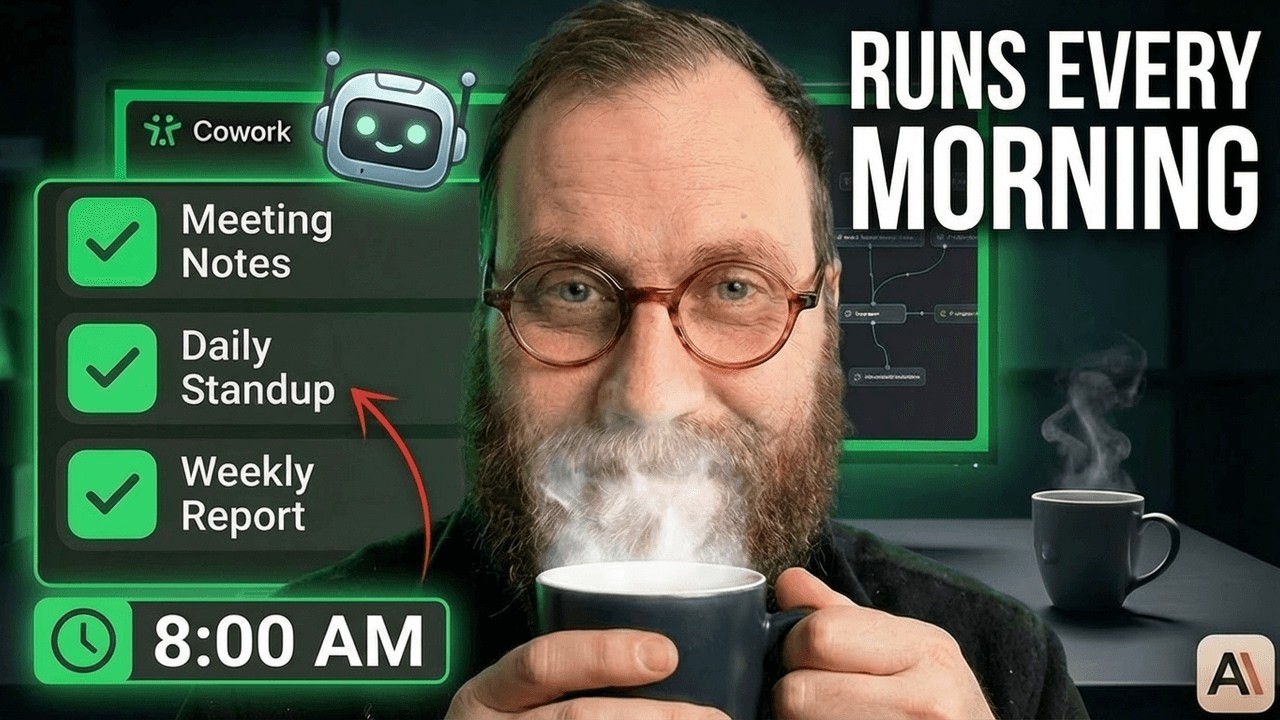
Set up Claude Cowork scheduled tasks step by step: a hello-world timer, a Linear standup that writes itself, and a meeting-notes processor with context.
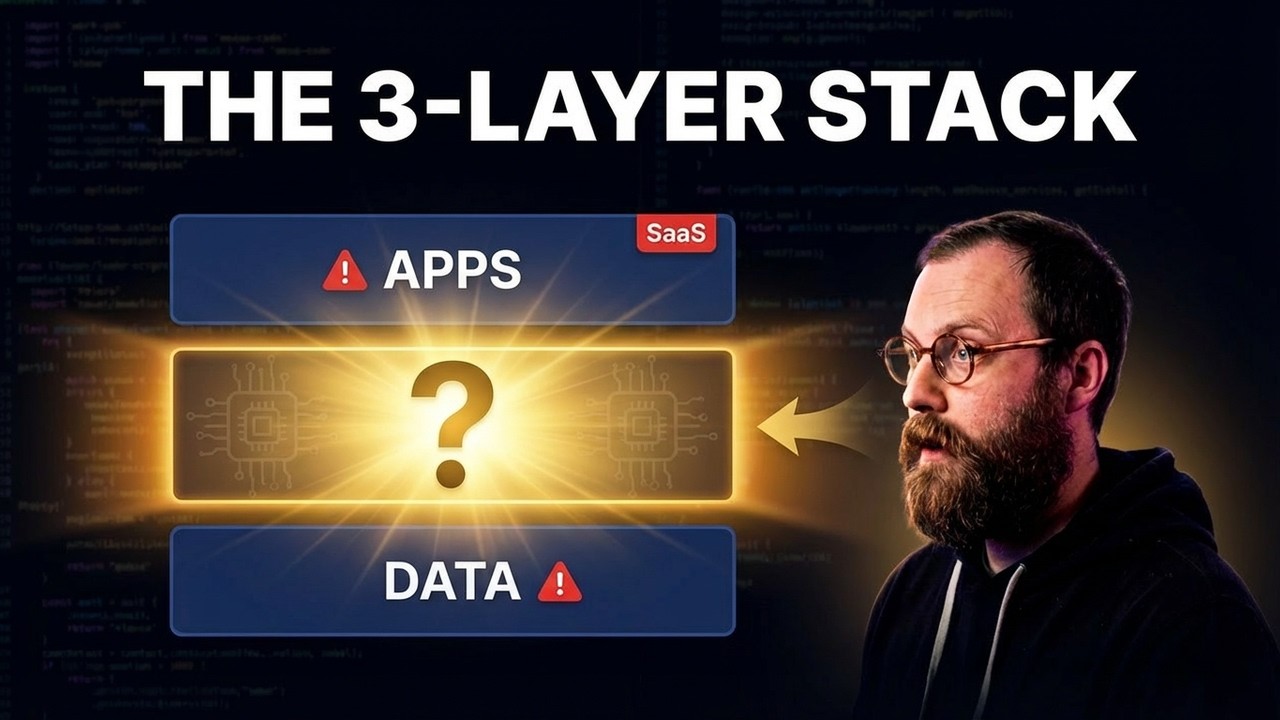
SaaS is a UI plus a database. The defensible part now lives in a third layer: context, prompting and programmatic logic, with proprietary data as the moat.
Pick a low-stakes task, upload the data, and ask AI what it can do. The full loop from first upload to a repeatable skill, including what failed.
Pencil.dev pairs a Figma-style editor with Claude Code: rebuild screens from screenshots, iterate in plain English, and merge designs into code via MCP.
Use Claude Code plan mode in the desktop app to turn a rough feature idea into a developer-ready Linear ticket, with file references and the why attached.
Enable the Skill Creator, paste any task description, answer its interview, and Claude auto-detects the skill from then on. The full flow and the caveats.
Long system prompts get ignored. Fetching instructions through MCP tool calls lands them where attention is highest: at the end of the context stack.
Run the workflow manually first, then have Claude write the system prompt from what you did. A lead-gen build going manual to semi-automated to full auto.
Subscription fatigue plus an AI trust crisis is killing flat fees. Pay-per-result fixes both, and every model release widens your margin, not the labs'.
Documents, strategies, meeting notes: it is all files. Voice brain dump to O3 critique to pull request, one real business workflow run through Claude Code.
Lessons from using Claude Code CLI with an SDK mindset — treating Claude as a micro-employee for email management and workflow automation. Focuses on state management, explicit prompting, and the practical economics of deploying AI agents.
Stronger together — our open-source monorepo for shared tooling, MCP servers, and internal infrastructure.
The blockers aren't technical: vaporware expectations, no urgency, and minds trained on deterministic software. What builders and consultants can do.
One advisor call became a positioning site the same day: transcript to PRD generator to v0. The repurposing method behind it works on any context you hold.
PRD in Claude, prototype in v0, feedback from simulated users: idea to working demo in half an hour, and why the speed cures perfectionism.
A Claude project with the right instructions is an internal tool: system prompt, knowledge files, iterate. Two live builds show the pattern behind twenty.